
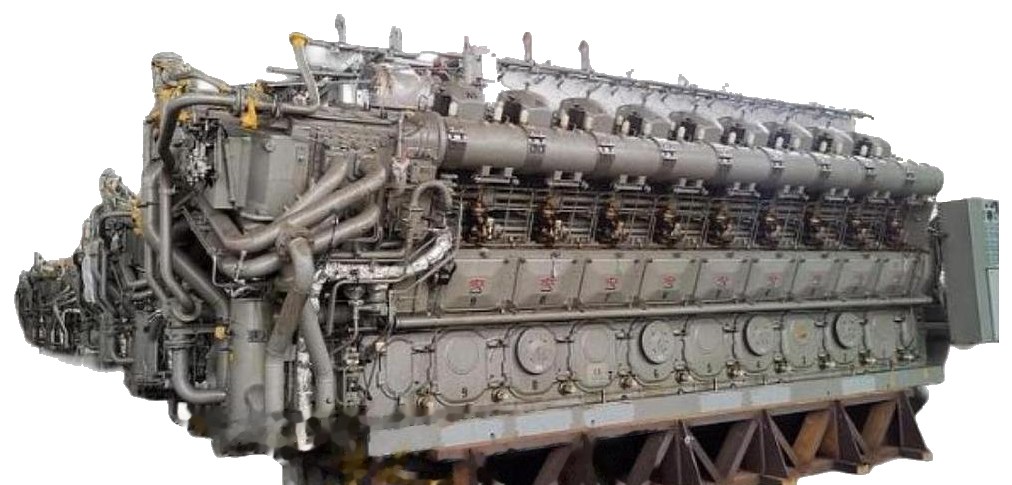
For continuous, large-scale baseload power, heavy fuel oil can deliver the lowest cost per kWh of any option — but only when the plant, the fuel system and the scale are engineered together.
Heavy fuel oil (residual fuel) burned in medium-speed engines is the natural choice for large, continuous base-load plants — utility-scale generation and industrial parks in the range of several megawatts and up. Where HFO is available economically, the fuel savings on a plant running around the clock are substantial, often making it the cheapest option at scale even though the fuel itself and the plant that burns it are more complex than diesel or gas.
What an HFO plant actually involves
That economy comes with complexity. HFO is viscous and must be heated, purified and treated before it can be burned, which means fuel-handling systems, separators and more maintenance than diesel or gas require. An HFO plant only makes economic sense at scale and in continuous service, and it carries higher emissions that need to be managed. Unlike a containerized diesel or gas unit, an HFO plant is a civil-engineered facility, not a plug-and-play delivery — sizing, fuel logistics and site infrastructure all have to be designed together from the outset.
Typical HFO plant parameters
| Scale | 5–50+ MW |
| Engine type | Medium-speed, heavy fuel oil (residual fuel) |
| Best-fit service | Continuous baseload, 24/7 operation |
| Fuel handling | Heating, purification, separators, storage & treatment plant |
| Typical applications | Utility-scale generation, large industrial parks, big mining and oil & gas loads |
| Delivery model | Engineered plant, civil works, phased commissioning |
Where HFO fits — and where it doesn't
- Utility-scale generation — grid-connected or off-grid baseload where fuel cost per kWh at scale outweighs the added complexity.
- Large industrial parks — continuous multi-megawatt demand with a stable, predictable load profile.
- Big mining and oil & gas operations — where the site already runs 24/7 and the scale justifies dedicated fuel infrastructure.
- Not a fit for backup, standby or variable-load service — that's where diesel or gas containerized units are the better answer.
Is HFO the right fuel for your site?
Fuel choice is rarely a single answer, and getting it wrong is expensive at this scale. We start from your site, your duty cycle and what fuel you can reliably bring in — not from a single-fuel product line. See our full framework in Gas vs diesel vs HFO: choosing the right fuel. Where reliability of supply is the driving concern rather than fuel cost, our piece on backup strategies for industry covers how continuous and standby power postures differ.
Evaluating a large-scale baseload plant?
Tell us your load, your duty cycle and what fuel you can bring to site — our engineers will recommend the fuel and configuration that deliver the lowest reliable cost of power, with a USD proposal.
Request a Power Assessment →